
When the clock hits 5 p.m. on Friday, most of us are already dreaming of the next weekend. A quick escape—just two days and a few flights—can do wonders for mental clarity, productivity, and even relationships. The trick isn’t in the length of the trip, but in the choices you make: destination, budget, and how you spend the time. Below is a practical playbook to help you pick the perfect spot and make the most of every minute.
1. Pick a Destination That Fits Your Mood
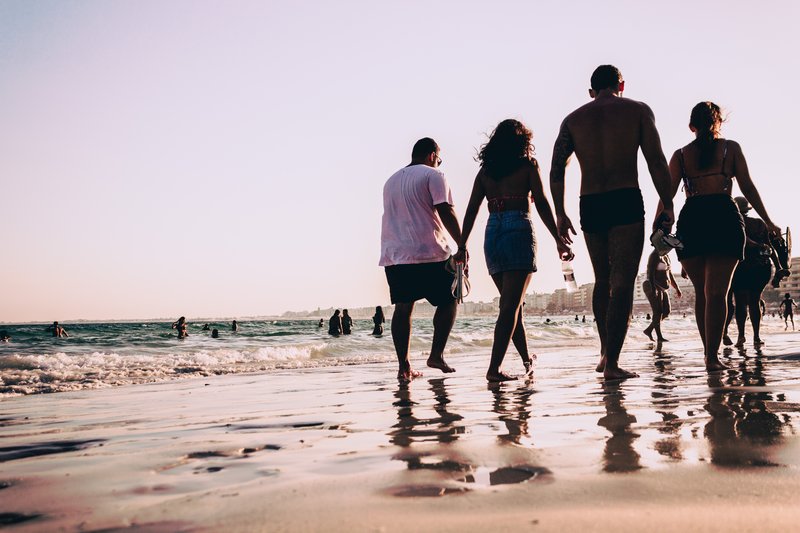
Start by asking yourself what you need most: quiet, adventure, culture, or a mix. A coastal town with a 30‑minute walk to a beach is ideal for those craving sun and sand. If you’re after history, a city with two or three museums and a walking tour will keep you engaged without exhausting you. For a balance, a small mountain resort that offers both hiking in the morning and a cosy pub in the evening works well.
- Beach retreat: 1‑2 hours of driving, 3‑4 nights of sun.
- Cultural city: 2‑3 hours by train, 2‑3 nights of museums and cafés.
- Mountain escape: 3‑4 hours by car, 2 nights of trails and stargazing.
When you narrow the options, look at the travel time from your home. A 4‑hour drive is a lot more manageable than a 10‑hour flight for a weekend, especially if you’re planning to relax on Sunday afternoon.
2. Budget Smartly, Not Skimpily
Set a realistic budget before you book. A typical weekend in the UK can cost between £200 and £400 per person, depending on accommodation and activities. Break the budget into three parts: transport, lodging, and experiences.
- Transport: £50–£120 for train tickets or car fuel.
- Lodging: £80–£180 per night for a mid‑range hotel or B&B.
- Experiences: £30–£70 for tickets, tours, or dining.
Don’t forget to factor in a buffer for unexpected costs—parking fees, a last‑minute activity, or a surprise restaurant recommendation.
3. Pack Light, Pack Right
Avoid the “just in case” pile. Bring only what you’ll use: a change of clothes, a swimsuit if you’re heading to the beach, a light jacket for evenings, and a reusable water bottle. A small backpack can hold everything you need for a day out, saving you from lugging a heavy suitcase around.
4. Plan a Mix of Structured and Free Time
Schedule one or two must‑do activities—like a guided tour or a theatre show—but leave gaps for spontaneous moments. The freedom to wander a new street or sit on a bench and watch the sunset often creates the most memorable experiences.
5. Return Refreshed, Not Rushed
Plan a Sunday morning to pack up slowly. Leave the car early enough that you’re not rushing back to work on Monday. A relaxed Sunday afternoon in a café or a quiet park can be the perfect way to transition back into your routine.
Bridging the Escape to Everyday Entertainment
After a weekend of fresh scenery and new adventures, many find themselves craving a different kind of escape—one that can be enjoyed from the comfort of home. Whether you’re looking to unwind with a new game or explore interactive stories, there are plenty of online platforms that offer a quick mental getaway. For a seamless transition from the real world to a virtual one, check out https://thechorleyclinic.org.uk for a range of engaging experiences that keep the spirit of adventure alive.
Final Thoughts
A well‑planned weekend getaway doesn’t have to be expensive or time‑consuming. By choosing a destination that matches your mood, budgeting wisely, packing efficiently, and balancing structure with spontaneity, you can return home re‑energised and ready to tackle the week ahead. The next time you feel the familiar Friday evening pull, remember that a few hours of travel and a handful of thoughtful choices can transform your entire week.
Frequently Asked Questions
How long should the break be to see a benefit?
A 48‑hour trip is enough to refresh mental clarity and spark creativity.
What budget should I set for a quick escape?
Aim for a modest budget—$200‑$400 per person covers travel, lodging, and activities.
Which destination suits a mood‑based pick?
Choose a place that matches your current vibe: a beach for relaxation, a city for culture, or nature for adventure.
How can I maximize productivity during the trip?
Plan short, focused activities, set boundaries, and schedule a return‑day review to capture insights.